

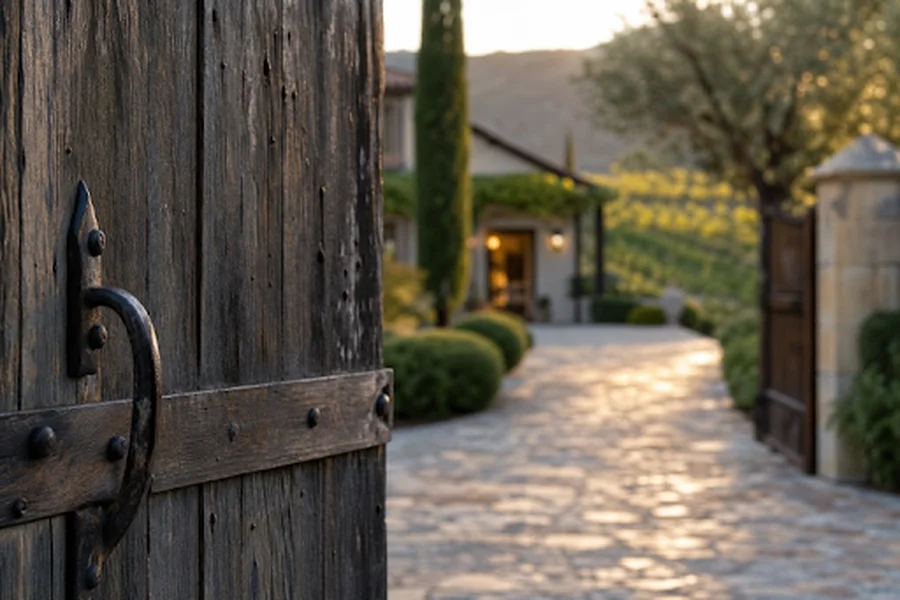
Buying a second home in Healdsburg can mean quiet mornings near the vineyards, easy access to restaurants and tasting rooms, and a place to gather with family and friends. It can also mean taking responsibility for a home that may sit empty for stretches of time, particularly if it is located outside town on a larger or more rural parcel.
Before touring properties, buyers reviewing Healdsburg CA homes for sale can use Ceci Cook’s Healdsburg real estate page to explore local listings and compare property types. Ceci Cook is a California-licensed associate broker affiliated with Compass, serving buyers and sellers in Healdsburg, Sonoma County, Wine Country, and the broader San Francisco Bay Area. Her page is a useful starting point for comparing in-town homes, country residences, land, and vineyard-area settings.
Why a Healdsburg Second Home Requires Extra Planning
Healdsburg offers a broad range of second-home possibilities, from a walkable residence close to downtown to a hillside home with views or a private property near agricultural land. Each setting comes with a different daily experience. A scenic rural home may require longer drives, private-road coordination, well or septic oversight, vegetation management, and dependable local service providers.
The best choice is not necessarily the largest parcel or the most dramatic view. It is the property that fits the number of visits you expect to make and the amount of upkeep you are prepared to manage when you are away.
Step One: Define How You Will Use the Home
Start with the purpose of the purchase. Your priorities may differ substantially if the home will be a weekend retreat rather than a future full-time residence.
Will you use it for short weekend visits, longer seasonal stays, or eventual retirement?
Do you need dedicated guest rooms, outdoor entertaining space, or a remote-work office?
Would you rather walk to coffee, shops, and dinner, or trade convenience for more privacy?
Will you visit during rainy winter periods, harvest activity, and the warmer months when wildfire preparation matters most?
Can you comfortably manage the property from your primary residence?
Step Two: Compare Healdsburg Property Settings
Downtown and Near-Town Homes
Homes near town can make spontaneous visits simpler because dining, shopping, services, and community amenities are closer. Buyers should still assess parking, street activity, lot size, privacy, and any homeowner association rules.
Rural Properties
Country homes can provide room, views, gardens, and separation from busier areas. In exchange, buyers may need to plan for longer trips to services, driveway maintenance, tree work, backup power considerations, and coordination with contractors.
Vineyard-Adjacent Homes
A vineyard setting can create a strong sense of place, but farming is an active use. Ask how nearby equipment, seasonal work, deliveries, road traffic, and agricultural practices could affect the everyday enjoyment of the property.
Step Three: Build a Complete Ownership Budget
Budgeting should extend well beyond the purchase price, financing, and property taxes. Set aside funds for homeowner’s insurance, utilities, internet, landscaping, tree care, security monitoring, pool or spa service, pest control, and routine repairs.
Rural properties may also require reserves for roofs, exterior finishes, gates, fences, drainage, retaining walls, driveways, wells, septic systems, and heating or cooling equipment. A home can appear well cared for while still having major components near the end of their useful lives.
Step Four: Research Insurance and Wildfire Readiness Early
Request insurance quotes using the exact property address before removing contingencies. Ask the insurer or broker whether coverage depends on roof condition, vegetation clearance, driveway width, emergency access, water supply, or other site-specific details.
Review defensible-space needs, trees close to structures, roof material and age, drainage around the home, backup-power plans, and any fire-suppression equipment already installed. An appealing setting can still be costly or difficult to insure, so insurance should be part of the buying decision rather than a last-minute closing task.
Step Five: Inspect Water, Septic, Utilities, and Access
Confirm whether the property uses public water, a private or shared well, septic, propane, solar, a generator, or a private road. Request service records and written agreements where systems or access are shared.
When was the well inspected or water tested?
When was the septic system last serviced, and is it appropriate for the home’s permitted bedroom count?
Who pays for road repairs, gates, drainage, or shared utility systems?
Is internet service adequate for your work, streaming, security, and smart-home needs?
Are easements, maintenance duties, and access rights clearly documented?
Step Six: Verify Rental and Zoning Rules
Do not assume that a second home can generate short-term rental income. The City of Healdsburg explains that its vacation rental restrictions include strict limitations, and prospective owners should confirm whether a particular property can qualify before treating rental revenue as part of the financial plan.
Confirm applicable city or county zoning rules directly with the appropriate planning department. Also, review permit requirements, occupancy standards, taxes, lender terms, insurance restrictions, and any homeowner association rules before renting the property.
Step Seven: Test Daily-Life Convenience
Visit at more than one time of day and approach the property as you would on a normal trip. Test the drive from your primary home, check cell reception, confirm internet availability, and note the distance to groceries, medical care, contractors, and fuel or charging options.
Buyers who value outdoor access can also consider proximity to the city’s parks, trail maps, and public facilities. The goal is to understand whether the location supports your real routine, not only a special-occasion visit.
Step Eight: Inspect for Part-Time Ownership
When a home is unoccupied for days or weeks, small problems can become larger ones. A general home inspection is essential, but the property may also warrant specialists for septic, well equipment, structural conditions, drainage, trees, roofs, or land-use questions.
Look for leak sensors and a water shutoff strategy.
Check roof drainage, moisture conditions, pest activity, and tree limbs near structures.
Review heating, cooling, alarms, cameras, and remote-monitoring systems.
Ask how the home will be checked after storms, power outages, or extended absences.
Step Nine: Consider Resale Flexibility
Think beyond the first few years of ownership. Flexible layouts, reliable access, manageable maintenance, clear permits, documented agreements, and dependable internet can make a property useful to a wider range of future buyers. Confirm that guest spaces, additions, agricultural improvements, and other structures are properly documented.
Final Checklist Before Making an Offer
Match the property to your intended use.
Prepare a full annual ownership budget and repair reserve.
Obtain an address-specific insurance estimate early.
Review zoning, rental limits, permits, and association rules.
Inspect water, septic, utilities, roads, drainage, and access.
Evaluate wildfire readiness and ongoing vegetation management.
Test travel time, cell service, and internet performance.
Review disclosures, easements, and shared-maintenance agreements.
Consider the home’s future resale flexibility.
Conclusion
A Healdsburg second home should add ease and enjoyment to your life, not create an unplanned second job. By weighing privacy against convenience, charm against upkeep, and rental hopes against actual rules, buyers can make a more confident choice and find a Wine Country home that continues to fit long after the first weekend.
