

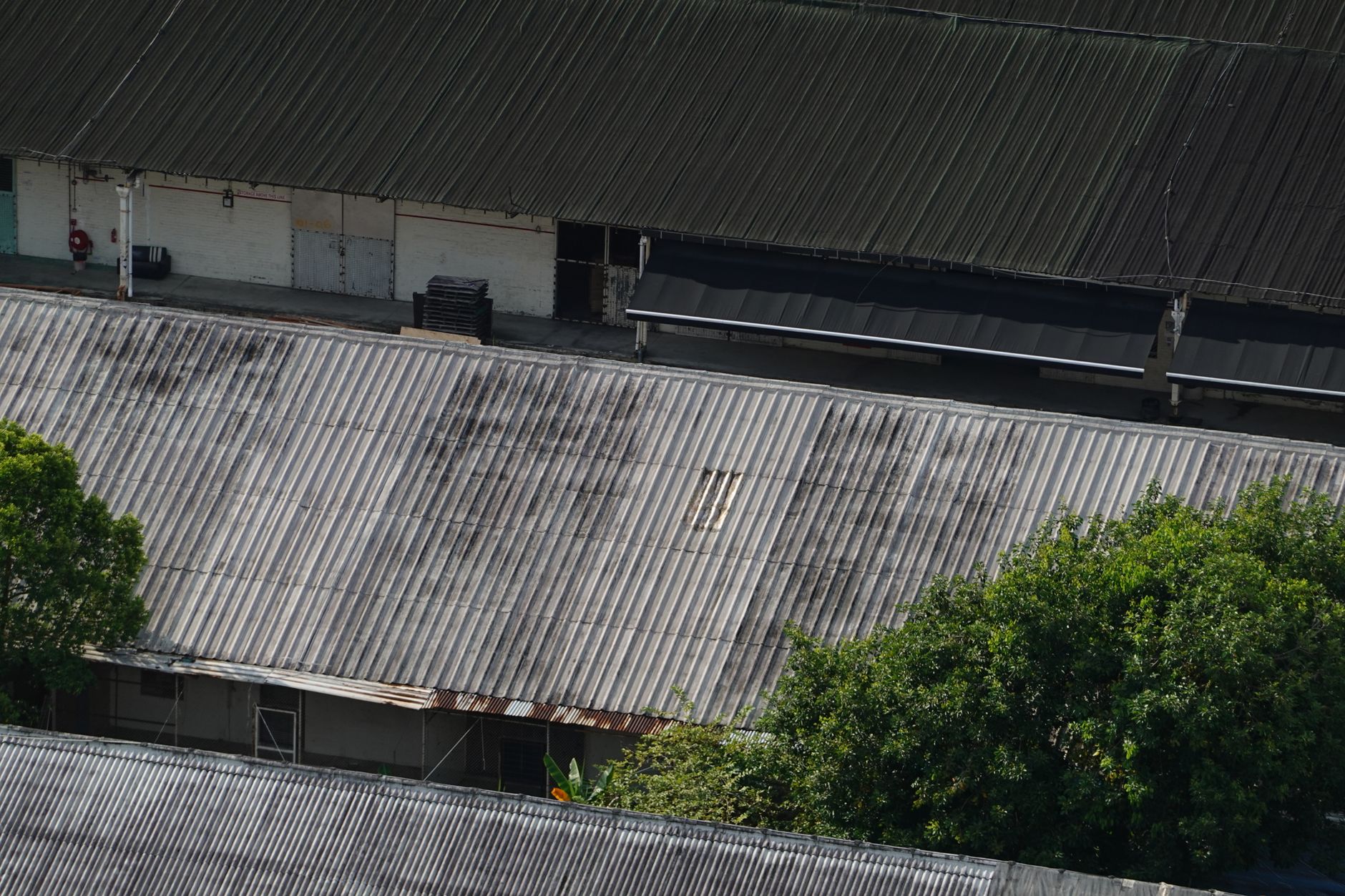
Commercial roofs protect valuable equipment, inventory, employees, and daily business operations from the weather. Small defects can spread across large roofing systems without creating an obvious indoor leak right away. A commercial roofing contractor in Trussville AL examines those risks, completes needed work, and helps building owners plan for the roof’s long-term performance.
Inspects Commercial Roofing Systems
Detailed inspections cover the membrane, seams, fasteners, flashing, drains, rooftop equipment, penetrations, and visible sections of the deck. Contractors also look for ponding water, surface bubbles, loose edges, damaged coatings, and signs that foot traffic has weakened certain areas.
Accurate findings give property owners a clearer view of the roof’s condition before they approve repairs or replacement. Experienced roof contractors may document defects with photographs, measurements, moisture readings, and notes that help explain which problems need immediate attention.
Finds Leaks and Hidden Damage
Leaks on commercial buildings rarely appear directly below the point where water entered. Rain can move beneath membranes, follow structural members, or travel around pipes before staining a ceiling far from the original opening.
Specialized testing helps a commercial roofer trace moisture that a basic visual check may miss. Infrared scans, core samples, controlled water testing, and close seam inspections can identify wet insulation, trapped moisture, and small punctures before damage reaches a wider area.
Repairs Worn or Damaged Areas
Targeted repairs may involve sealing open seams, replacing damaged membrane, securing loose flashing, patching punctures, or correcting failed areas around vents and curbs. Each repair must match the existing roof material so the new work bonds properly and does not create another weak point.
Skilled roof contractors in Trussville AL also check nearby sections instead of treating only the visible defect. That approach helps prevent repeated service calls caused by aging materials, poor drainage, or earlier repairs that did not address the full problem.
Installs New Commercial Roofs
New installation begins with measurements, system selection, structural review, drainage planning, and careful scheduling around business activity. Crews may work with metal panels, modified bitumen, built-up roofing, single-ply membranes, coatings, or other materials suited to the building.
Proper installation includes more than laying the main surface. A Trussville commercial roofing contractor must also handle insulation, vapor control, fasteners, seams, edges, flashing, drains, penetrations, and manufacturer requirements that affect durability and warranty coverage.
Replaces Failing Roof Materials
Replacement becomes necessary when repairs no longer provide reliable protection or when damage has spread through several layers. Widespread leaks, saturated insulation, brittle membranes, severe corrosion, and repeated seam failures often point to a system near the end of its useful life.
Careful planning reduces disruption during tear-off and installation. Property owners comparing roof companies near me should ask how each contractor will protect entrances, equipment, landscaping, parking areas, and occupied spaces while the old materials are removed.
Maintains Flashing and Drainage
Flashing protects roof edges, walls, curbs, vents, and other places where different materials meet. Movement, heat, wind, and standing water can loosen these details, allowing moisture to enter beneath an otherwise sound roofing surface.
Clear drainage also matters because commercial roofs often have broad, low-slope areas that collect large amounts of rain. Reliable roofers clean drains, inspect scuppers, correct blocked flow, and repair low spots that hold water long after a storm has passed.
Handles Storm-related Damage
Strong winds can lift membranes, loosen metal panels, damage flashing, and drive debris into exposed surfaces. Hail may leave dents, fractures, or hidden breaks that weaken the roof even when no immediate leak appears inside the building.
Fast response limits further loss after severe weather. A qualified commercial roofing contractor can secure open areas, install temporary protection, photograph the condition, and prepare a repair scope that helps owners understand what happened and what work should follow.
Plans Routine Roof Maintenance
Scheduled maintenance finds minor defects before they interrupt operations or damage the interior. Service visits may include debris removal, sealant checks, drain cleaning, seam inspection, fastener tightening, coating review, and written updates about developing concerns.
Consistent records also help owners budget for future work and track whether earlier repairs continue to perform. Yellow Hammer Roofing provides commercial inspections, repairs, maintenance planning, and replacement guidance for Trussville properties, helping local businesses protect their buildings with practical recommendations based on the roof’s actual condition.
